

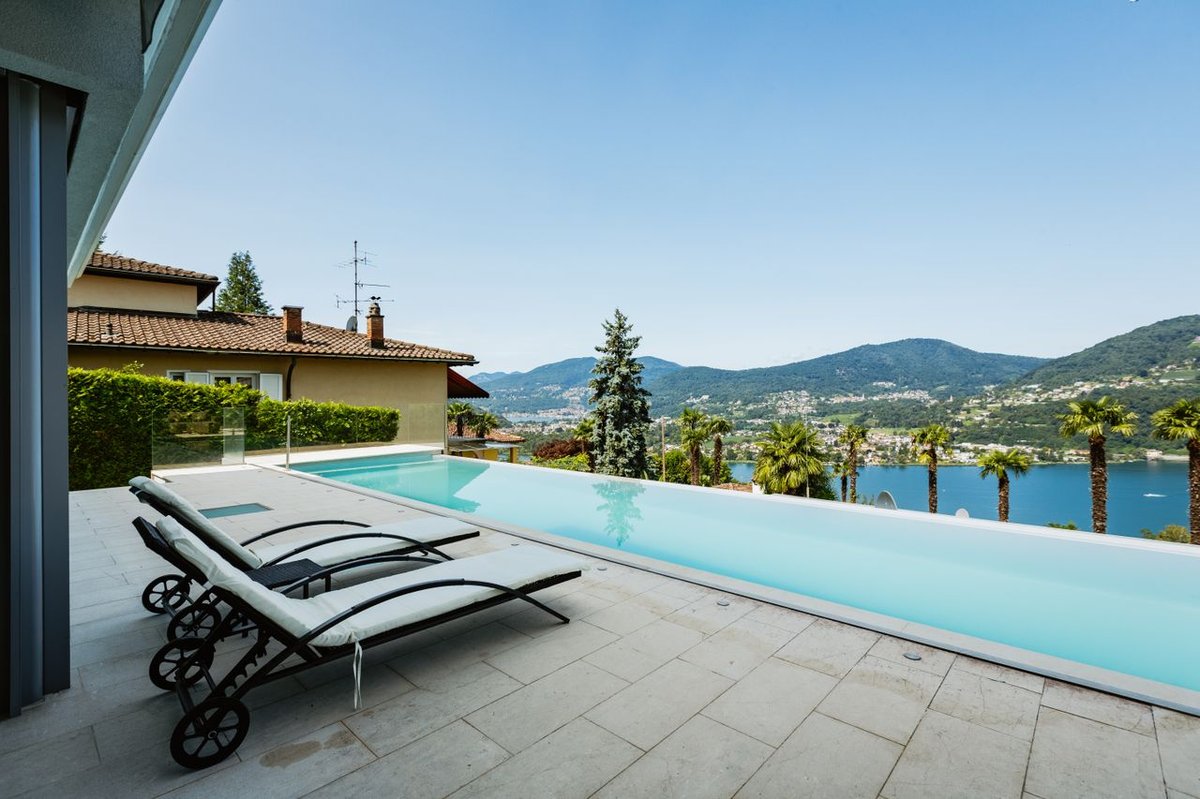
For many people, buying a holiday home in Italy is a long-held dream. It is a place to return to each summer, somewhere to share with family and friends. It might even become an income source, rented out when not in personal use. Italy’s variety of landscapes, climates and property types means this dream takes many forms. A lakeside villa on Lake Como or Lake Maggiore. An apartment in the historic centre of Rome, Florence or Venice. A coastal home in Sardinia. A farmhouse in the Umbrian hills. Or an investment property in Milan, where rental yields rank among the highest in the country.
Buying a holiday home in Italy as a foreigner involves specific legal, fiscal and practical considerations, whatever the location and property type. Understand them before starting your search. This guide covers the key points.
1. Holiday Home vs Primary Residence: The Legal and Tax Distinction
In Italian law, a holiday home (casa vacanza or seconda casa) is a property that is not the owner’s primary residence in Italy. Official registration of residence determines this distinction, not simply the time spent in the property. This distinction carries significant consequences for taxes, both at purchase and during ownership.
Most foreign buyers who purchase a holiday home in Italy do not register as Italian residents, at least initially. Their primary residence stays in their home country. Italy treats the property as a second home for all tax purposes. This is perfectly legal and entirely normal. It carries a few consequences, though:
- Higher purchase taxes apply. The standard registration tax for a non-primary residence runs at 9% of the cadastral value. This compares to 2% for a primary residence with the agevolazione prima casa benefit.
- IMU, the municipal property tax, applies every year. A registered primary residence does not owe this tax, but all other properties do, at rates that vary by municipality.
- The favourable first home tax benefit (agevolazione prima casa) stays unavailable. It only applies if the buyer commits to establishing Italian residence within 18 months of purchase.
Some buyers do choose to register Italian residence when purchasing a holiday home. This makes sense particularly if they plan to spend extended periods in Italy, or if the tax saving justifies the step. However, registering Italian residence carries significant fiscal implications well beyond the property purchase itself, including potential worldwide income taxation. Always take this decision with proper legal and tax advice.
2. The Purchase Process: What to Expect
Buying a holiday home in Italy follows the same legal steps as any other property purchase: due diligence, purchase proposal or preliminary contract, and final deed of sale before a notary. Using the property as a holiday home rather than a primary residence does not change the fundamental legal framework.
A few practical considerations matter particularly for holiday home buyers, though. Many foreign buyers conduct significant parts of the process remotely. They view properties during a short visit, sign documents by power of attorney, and coordinate with Italian professionals from abroad. This is entirely manageable, but it makes independent legal representation even more important. Find a lawyer who can act on your behalf in Italy, communicate in your language, and keep you informed throughout the process.
Due diligence from a distance requires attention too. Verifying cadastral compliance, checking planning records, and reviewing condominium documents all require physical access to Italian administrative records. A local legal representative can carry out these checks on your behalf, before you commit to any payment.
Timing matters as well. Many holiday home purchases start with a short visit to Italy. During that visit, buyers fall in love with a particular property. The emotional pressure of the moment, combined with the risk of losing the property to another buyer, can lead to rushed decisions. Always run a preliminary legal check before signing anything, even an abbreviated one.
3. Taxes and Costs to Budget For
Beyond the purchase taxes above, holiday home buyers should budget for these ongoing costs:
| Cost | When Paid | Indicative Amount | Notes |
|---|---|---|---|
| IMU | June and December | 0.86%–1.06% of adjusted cadastral value | Varies by municipality |
| TARI | Annual | Based on property size (m²) | Due even if unoccupied |
| Utilities | Recurring | Variable | Can be suspended during long absences |
| Condominium fees | Annual | A few hundred to several thousand € | Depends on pool, garden, lift |
| Maintenance | Occasional | Variable | Local property manager recommended |
4. Renting Out the Property: Key Rules
A holiday home not in personal use for part of the year can generate rental income. Many buyers factor this into their financial planning from the outset. The Italian short-term rental market stays active, and demand in attractive locations runs strong. Cities such as Rome, Florence, Venice and Milan attract visitors year-round, generating consistent rental income across twelve months. Coastal and lake destinations run more seasonal, think Sardinia, Lake Como, Lake Garda, or the Amalfi Coast, but they command premium rates in high season. Understand the rental profile of a specific location before purchase; it forms part of a sound investment decision.
Before assuming you can freely rent out a property, verify three things:
- Local and regional rules. Many Italian municipalities and regions have introduced restrictions on short-term rentals in recent years, ranging from permit requirements to limits on the number of days per year. Some historic centres have blocked new short-term rental activities entirely. Check the rules specifically for the property in question.
- Condominium regulations. If the property is an apartment in a building with a condominium, the condominium’s contractual regulations may prohibit short-term rental or any accommodation-type activity. This binding restriction cannot be overridden by a majority vote; changing it requires unanimous consent of all owners. Check the condominium regulations before purchase if you intend to rent.
- Tax obligations. You must declare rental income from an Italian property in Italy, regardless of where you reside. The cedolare secca regime offers a flat-rate tax: 21% on the first property rented short-term, 26% on subsequent properties. It is available to private landlords, and it generally beats ordinary income tax. A national identification code (CIN) is mandatory for all properties used for short-term rental. See our dedicated article on renting out your Italian property for a full guide.
5. Choosing the Right Location: A Legal Perspective
Choosing where to buy a holiday home in Italy is a deeply personal decision, from a purely aesthetic or lifestyle perspective. From a legal and practical perspective, though, location matters in ways that go beyond the view.
Short-term rental rules vary enormously by municipality. A property in a location with restrictive rules may not suit a buyer who intends to rent it out, even if the property itself is perfect. Cadastral and planning compliance issues crop up more often in certain areas too. Rural areas of the south, coastal zones with historical building restrictions, and older urban buildings altered over decades without proper permits all carry higher risk.
Infrastructure and services deserve attention too. A property that feels charming in summer may prove difficult to access or manage in winter. Check the practical aspects of ownership, road access, utility connections, proximity to services, just as carefully as the legal checks.
Heritage and landscape constraints round out the picture. Properties in areas of historical or environmental interest may carry restrictions on renovation, alteration or change of use. Identify these in the due diligence phase.
How We Can Help
Magaraggia Law Firm assists international buyers at every stage of the Italian property transaction. Our role is not limited to reviewing documents. We manage the entire process on your behalf. This spans the initial legal due diligence on the property, negotiating with the seller and the estate agent, advising on the tax and rental implications of the purchase, and coordinating with the notary through to completion. Our objective is to protect your interests at every step and to eliminate legal and financial risk as far as possible. We advise in English, French and Spanish, and we work across all of Italy.
Whether you have already identified a property or are still in the early stages of your search, contact us for a free initial consultation:
info@studiolegalemagaraggia.it
+39 328 071 0278