

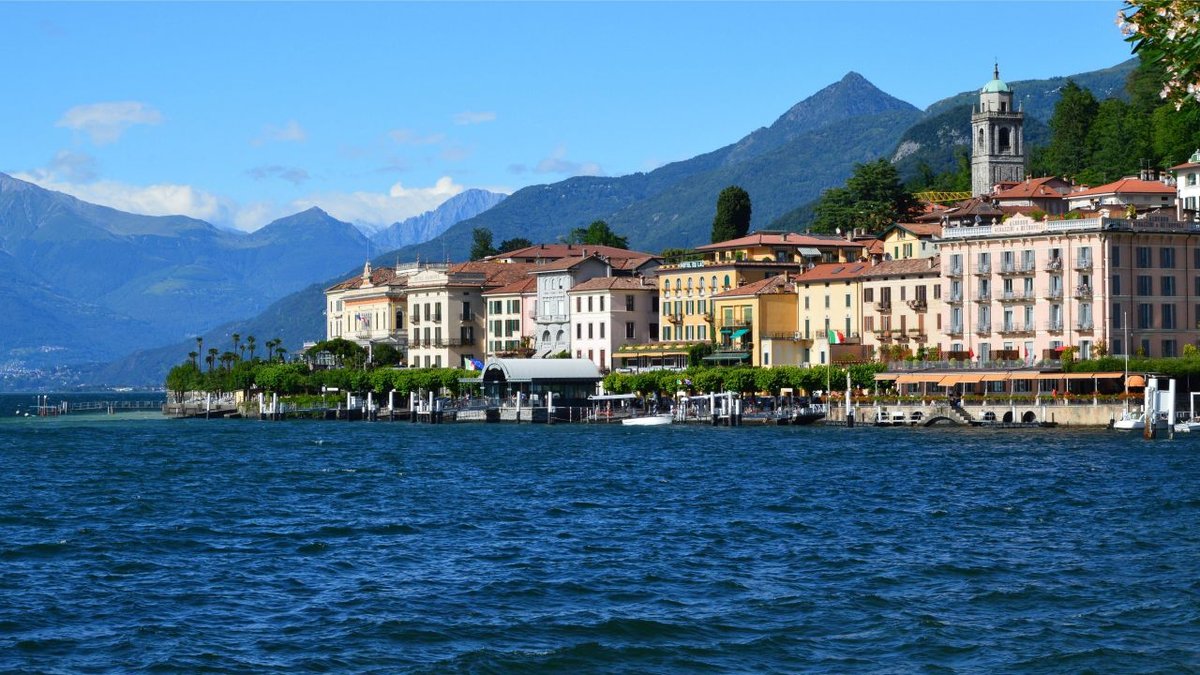
The Italian lakes have attracted wealthy international buyers for well over a century. Lake Como, Lake Garda and Lake Maggiore offer a combination that is genuinely difficult to find elsewhere. Alpine scenery, a mild microclimate, historic villas and gardens, easy access to Milan and international airports, and a standard of living that blends the Italian and northern European, all appeal strongly to foreign buyers.
The market here ranks among the most competitive and expensive in Italy. Understanding how it works, and what the legal specifics of purchasing in this area involve, forms essential preparation for any serious buyer.
1. Lake Como, Lake Garda and Lake Maggiore: Key Differences
Lake Como stands out as the most internationally recognisable of the three. Its global reputation drives strong demand from buyers across Europe, North America and beyond. The western branch of the lake, the arm running north from the town of Como, together with the area around Bellagio, Varenna and Menaggio, ranks among the most sought-after. Prices at the top of the market here run among the highest in Italy, and prime properties rarely stay available for long.
Lake Garda is the largest of the Italian lakes and the most varied. Its northern end, around Riva del Garda and Limone sul Garda, has an almost fjord-like character. The central western shore, Gardone Riviera, Salò, Sirmione, ranks as the most sought-after for residential property, while the southern end runs flatter, more accessible, but less scenic. Lake Garda attracts a broader mix of international buyers than Como, including significant German, Austrian and British demand.
Lake Maggiore straddles the border between Italy and Switzerland. The Italian western shore, Stresa, Verbania, Cannobio, forms the main area of interest for property buyers. Prices generally run somewhat lower than Como for comparable properties, and the market stays slightly less competitive. This makes it worth considering for buyers who want the lakes experience without the premium of Como.
2. The Market: Prices, Competition and What to Expect
Property prices on the Italian lakes, particularly on Lake Como, run significantly higher than the Italian average. Lakefront properties and those with unobstructed lake views command substantial premiums. Historic villas with gardens, boathouses and private lake access sit at the top of the market. They can reach prices comparable to prime locations in other major European cities.
Below the top tier, a wider range exists: apartments in lakeside towns, houses on the hillside with partial lake views, properties set back from the water. These can offer better value, though ‘better value’ on Lake Como stays relative.
The market moves quickly for well-priced properties. Serious buyers should stay financially prepared and legally ready to move. Carry out at least a preliminary legal check, and arrange financing, before identifying a property, rather than after.
3. Key Legal Considerations
Lake and coastal constraints apply near the water. Properties on or near the lakefront carry specific environmental and planning constraints. Italian law establishes a protected strip along lake shores, within which new building and significant modifications face strict controls. Many of the most attractive lakefront properties have structures built before these constraints came into force. Verifying their legal status requires careful examination of the planning and building permit history.
Listed buildings and heritage constraints affect many historic villas. Under the Italian Cultural Heritage Code, these carry heritage protection (vincolo monumentale). This can restrict what modifications, extensions or interior alterations you can make, and it requires advance approval from the relevant Soprintendenza before any works begin. If you intend to renovate or modernise a listed property, understand these constraints before making an offer.
Condominium rules apply to many lake properties, including historic villas divided into apartments, managed as condominiums. The contractual regulations of the condominium can impose significant restrictions on individual owners: limits on short-term rental, external modifications, and use of shared gardens or lake access. Review the condominium regulations before purchase.
Boathouses and lake access deserve special attention. Properties that include a boathouse (darsena) or private lake access are particularly sought after and command significant premiums. The legal status of these structures, and the rights they confer, requires specific verification. Boathouses in particular may require concession agreements with the regional authority, with terms and renewal conditions you should understand before purchase.
Cadastral and planning compliance matters here as much as anywhere. Historic properties on the lakes have often been modified over decades without consistent documentation. Verifying that the property as it currently exists matches its cadastral description, and that all works have proper authorisation, forms a particularly important part of due diligence in this market.
4. Short-Term Rental: What to Know
The Italian lakes rank as a major tourist destination, and many buyers factor rental income into their planning. The rules on short-term rental in this area have grown progressively more complex in recent years.
The municipalities around the lakes vary significantly in their approach. Some have introduced permit requirements or limits on the number of days properties can be rented short-term. Condominium regulations may also restrict or prohibit rental activity. From the third property rented short-term onwards, Italian law treats the activity as commercial, requiring registration for VAT purposes.
If you intend to generate rental income, verify the applicable rules for the specific property before purchasing. See our dedicated article on renting out property in Italy for a full guide.
5. Practical Considerations
Beyond the legal specifics, a few practical points are worth noting.
Access and connectivity matter for regular visits. Lake Como and Lake Maggiore sit within an hour of Milan Malpensa airport. Lake Garda stays accessible from both Verona and Brescia airports. Good roads connect the lakes, though traffic in summer can run heavy on the narrower lake roads.
Seasonality shapes the experience considerably. The lakes look their most beautiful in spring and early autumn. Summer brings considerable tourist traffic to the most popular towns. If you are considering the lakes as a primary residence, visit at different times of year to get a realistic sense of daily life.
Services and infrastructure vary by location. The main towns on each lake offer good services: schools, healthcare, shops. More remote hillside properties may have limited access to services, particularly outside the tourist season.
How We Can Help
Magaraggia Law Firm assists international buyers at every stage of the Italian property transaction, including on Lake Como, Lake Garda and Lake Maggiore. Our role is not limited to reviewing documents. We manage the entire process on your behalf, from the initial legal due diligence on the property, to negotiating with the seller and the estate agent, to coordinating with the notary through to completion. Our objective is to protect your interests at every step and to eliminate legal and financial risk as far as possible. We advise in English, French and Spanish, and we work across all of Italy.
If you are considering buying property on the Italian lakes, contact us for a free initial consultation:
info@studiolegalemagaraggia.it
+39 328 071 0278