

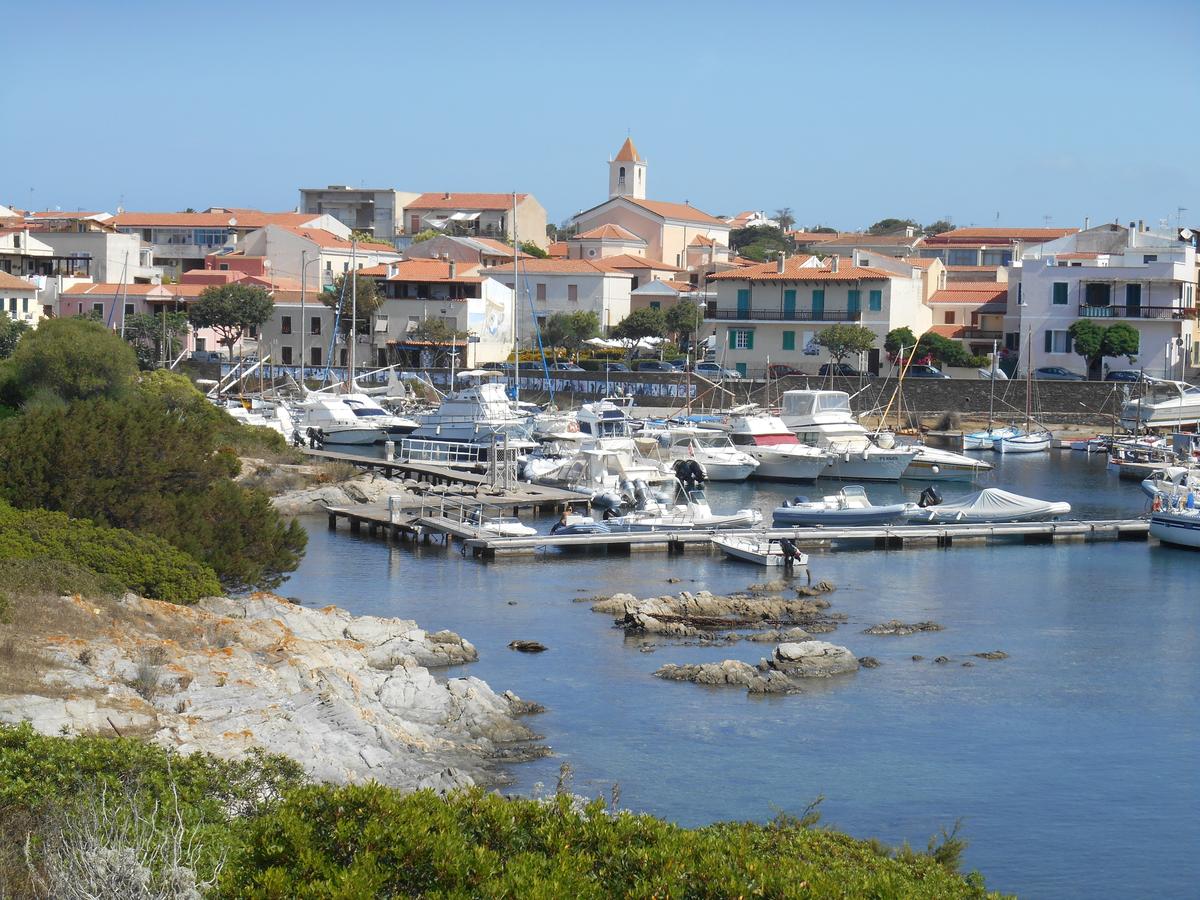
Sardinia occupies a distinctive place in the Italian property market. Foreign buyers rarely discover it by chance. Those who seek it out tend to do so deliberately. They come drawn by exceptional Mediterranean coastline, a landscape that feels genuinely wild and unspoilt, and a quality of life hard to replicate elsewhere in Europe.
Buying property in Sardinia spans a wide range. At one end sit some of the most expensive addresses in Italy, the Costa Smeralda and surrounding areas in the north-east. At the other end sit genuinely affordable options in the interior and less developed coastal areas. This guide covers what foreign buyers need to know before purchasing here.
1. The Sardinian Property Market
Sardinia attracts a mix of international buyers with different objectives. At one end of the market, the Costa Smeralda and the Emerald Coast (Gallura region) remain among the most exclusive property markets in Italy, and among the most expensive. Buyers here seek privacy, security and exceptional sea views. Villas and apartments in this area command prices that place them in a different category from most Italian property.
Beyond the Costa Smeralda, the market runs considerably more varied. The south-west coast around Teulada and Sant’Antioco offers coastal properties at significantly lower prices. So does the Gulf of Oristano on the west coast, the area around Alghero in the north-west, and the long stretches of eastern coast south of Nuoro. The Sardinian interior offers something different again: ancient villages, dramatic landscape, and authentic local culture. It attracts a smaller but growing number of buyers seeking rural properties at very accessible price points.
Demand from international buyers has grown steadily in recent years. Germany, Switzerland, and the United Kingdom all show particularly strong interest. Increasingly, so does the United States. Sardinia also qualifies for Italy’s 7% flat tax regime for foreign retirees. This adds a fiscal dimension to its appeal, for buyers considering a permanent or semi-permanent relocation.
2. Key Legal Considerations
Coastal constraints, known as the 300-metre rule, form the single most important legal issue specific to Sardinian property purchases. This catches many buyers by surprise. Italian national law establishes a protected coastal strip within 300 metres of the shoreline. New building faces a general prohibition here. Significant modifications to existing structures face strict controls too. Sardinia applies these constraints particularly rigorously. The regional government has historically stayed very protective of its coastline. Before making an offer, verify the exact position of any property relative to the coastal protection zone. Understand what this means for any intended works.
Regional planning rules add another layer. Sardinia has its own regional planning framework (Piano Paesaggistico Regionale, PPR). This framework establishes detailed rules for development and modification of property across the island. The PPR divides the territory into different zones, with different levels of protection. The rules that apply to a specific property depend on its location within this framework. In practice, planning due diligence for a Sardinian property often requires specific knowledge of regional rules, not just national ones.
Unauthorised building works cause frequent trouble too, as in other parts of Italy. In a region where coastal and landscape constraints run strict, irregularities can carry particularly serious consequences. In some cases, structures built without authorisation in protected areas cannot be regularised at all. They may even face demolition orders. Thoroughly verify the planning history of every structure on the property.
Access and road infrastructure deserve attention as well. Many of the most attractive properties in Sardinia sit accessed via private roads or tracks that cross third-party land. This applies particularly on the coast and in rural areas. Verify the legal basis for access. Ensure any right of way carries proper registration. Do not overlook this check.
Water supply matters for rural properties. In parts of rural Sardinia, mains water supply runs limited or unreliable. Properties there rely on private wells or cisterns instead. Verify the legal status of water sources as part of due diligence. Check the adequacy of supply for the intended use too, particularly for rural properties.
3. The 7% Flat Tax: An Additional Incentive
Sardinia ranks among the Italian regions that qualify for the 7% flat tax regime for foreign retirees. This is one of the most competitive retirement tax arrangements in Europe. Under this regime, retirees who transfer their tax residence to a qualifying Sardinian municipality can benefit. These are generally municipalities with fewer than 30,000 inhabitants. Qualifying retirees can have all their foreign-source income taxed at a flat 7% for up to ten years.
Some buyers consider Sardinia not just as a holiday destination but as a place to live, either permanently or for extended periods. For them, the combination of affordable property prices in many areas and a highly favourable tax regime creates a powerful draw. See our dedicated article on the 7% flat tax for foreign retirees for full details on eligibility and how to qualify.
4. Short-Term Rental in Sardinia
Sardinia’s status as a premium tourist destination means rental income from coastal properties can run significant during the high season. The island attracts visitors willing to pay premium rates for quality accommodation in exceptional locations.
That said, the rules on short-term rental have grown more complex in recent years. Regional and municipal rules vary. Condominium regulations may restrict rental activity. The Italian national framework applies here as elsewhere too, including the CIN registration requirement and the tax rules for multiple properties. If you intend to rent out your Sardinian property, verify the applicable rules for your specific location and property type before purchase.
5. Buying in Practice: What to Expect
The purchase process in Sardinia follows the same legal steps as any Italian property transaction. The specific legal checks required make thorough due diligence especially important here, though. Pay particular attention to coastal constraints, regional planning rules, and access rights.
A few practical points are worth noting. Many sellers and estate agents in Sardinia’s premium markets have experience dealing with international buyers. Transactions involving foreign purchasers are not unusual here. That said, the documentation and administrative processes run in Italian, so independent legal representation in your own language matters.
For properties in the north-east of the island, the Costa Smeralda area, the market stays particularly competitive and fast-moving at the top end. Buyers need to act quickly when the right property becomes available. For properties in less developed coastal areas or the interior, the market moves slower. Due diligence remains equally important there, potentially more so, since planning histories may be less well documented.
How We Can Help
Magaraggia Law Firm assists international buyers at every stage of the Italian property transaction, including in Sardinia. Our role is not limited to reviewing documents. We manage the entire process on your behalf. This spans the initial legal due diligence on the property, negotiating with the seller and the estate agent, and coordinating with the notary through to completion. Our objective is to protect your interests at every step and to eliminate legal and financial risk as far as possible. We advise in English, French and Spanish, and we work across all of Italy.
If you are considering buying property in Sardinia, contact us for a free initial consultation:
info@studiolegalemagaraggia.it
+39 328 071 0278